
7 Exercises for Rheumatoid Arthritis: Joint-Friendly Ways to Stay Active
Rheumatoid arthritis can make exercise feel difficult when joints are painful, stiff or fatigued. Yet appropriately chosen physical activity can help maintain strength, mobility, balance, cardiovascular fitness and everyday function. The key is matching your activity level to your symptoms and adjusting during flares.
Can exercise help rheumatoid arthritis?
Rheumatoid arthritis, or RA, is an autoimmune inflammatory disease that primarily affects joints. Pain, stiffness and fatigue may make movement less appealing, particularly during a flare.
At the same time, long periods of inactivity can contribute to reduced muscle strength, cardiovascular fitness and confidence with everyday movement. For many people with well-managed RA, regular physical activity is an important part of maintaining function.
Exercise does not replace RA treatment. Disease-modifying medication and medical monitoring are central to controlling the inflammatory disease process. Exercise complements medical care by supporting strength, mobility and general health.
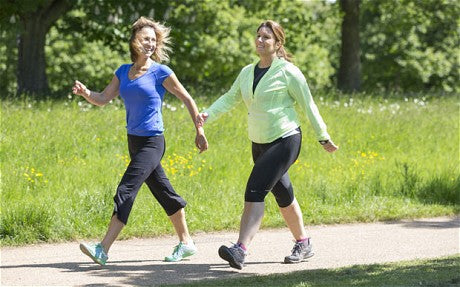
Walking
Walking is one of the simplest ways to add regular movement without requiring special equipment. It can support cardiovascular fitness, leg strength and everyday endurance.

Swimming and water exercise
Water supports much of your body weight, which may make exercise more comfortable when weight-bearing joints are painful. Swimming, gentle pool walking and water aerobics can all provide aerobic activity.

Resistance and strength training
Strength training can help maintain the muscles that support your joints and assist with daily activities such as climbing stairs, carrying groceries and getting up from a chair.
Resistance bands, light weights, machines and body-weight exercises are all possible options. Start with resistance you can control comfortably and progress gradually.
Avoid heavily loading an actively inflamed joint. A physical therapist can help adapt exercises when hand, wrist, knee, shoulder or foot involvement makes conventional strength training uncomfortable.

Cycling
Cycling provides cardiovascular exercise with relatively little impact. A stationary bicycle can also remove concerns about traffic, uneven terrain and balance.
Hand or wrist symptoms may make traditional handlebars uncomfortable. Adjusting handle position, using padded grips or choosing a recumbent bike may help some riders.

Yoga and tai chi
Gentle yoga and tai chi combine controlled movement, balance, flexibility and body awareness. Modified programs may be especially useful when floor positions or weight-bearing through painful wrists are difficult.
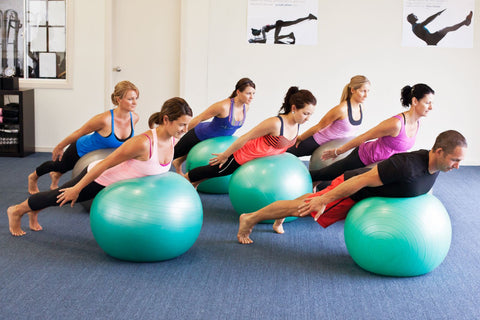
Modified Pilates
Pilates emphasizes controlled movement, trunk strength and body positioning. Some people with RA enjoy it as a way to build core strength without high-impact exercise.
Exercises that require prolonged pressure through painful wrists, knees or shoulders may need modification. An instructor familiar with arthritis can help adapt positions.

Housework, gardening and daily activity
Exercise does not have to happen in a gym. Light housework, gardening, shopping and other daily tasks can contribute to your overall activity level.
Alternate heavier and lighter tasks, avoid prolonged gripping when your hands are painful, and take breaks before fatigue substantially changes your movement.
Everyday activity still counts, but it may not provide the same balanced mix of aerobic exercise, strength and mobility training as a structured program.

How should you exercise during an RA flare?
An RA flare may bring increased joint swelling, pain, stiffness and fatigue. That usually calls for modifying activity rather than automatically stopping all movement.
When should you stop or modify exercise?
Some muscle fatigue after activity can be normal, but exercise should not cause severe or progressively worsening joint symptoms.
- Stop if you experience sudden or sharp joint pain.
- Reduce activity if a joint becomes noticeably more swollen afterward.
- Avoid forcing painful joints through their end range.
- Seek advice if exercise consistently worsens symptoms into the next day.
- Get medical attention for a hot, very swollen joint accompanied by fever or feeling acutely unwell.
- New chest pain, severe shortness of breath, fainting or sudden neurological symptoms require urgent medical attention.
Rheumatoid arthritis exercise FAQ
Is exercise good for rheumatoid arthritis?
Regular, appropriately selected exercise is generally encouraged for people with RA because it can help maintain strength, mobility, cardiovascular fitness and everyday function.
What is the best exercise for rheumatoid arthritis?
There is no single best exercise. Many people benefit from a mixture of low-impact aerobic activity, strength training, mobility work and balance exercise.
Should I exercise when my joints are swollen?
Gentle movement may still be appropriate, but heavily loading an actively swollen joint is generally best avoided. Reduce intensity and discuss recurrent or severe swelling with your healthcare team.
Is walking good for rheumatoid arthritis?
Walking can be an accessible low-impact aerobic activity. Distance and pace should be adjusted to joint symptoms, fitness level and balance.
Can strength training damage arthritic joints?
Appropriately progressed strength training is commonly used to help maintain muscle and function. Poor technique, excessive resistance or loading a severely inflamed joint can aggravate symptoms.
How much exercise should someone with RA do?
The appropriate amount varies with disease activity, fitness level and other health conditions. Build activity gradually and use medical or physical-therapy guidance when symptoms significantly limit exercise.
Staying active with rheumatoid arthritis
Walking, swimming, cycling, resistance training, yoga, tai chi, Pilates and everyday physical activity can all have a place in an RA-friendly routine. The most useful program is one you can perform consistently without repeatedly aggravating inflamed joints.
Match exercise to your current symptoms, reduce intensity during flares and build back gradually. A rheumatologist, physical therapist or occupational therapist can help adapt activities when pain, deformity or reduced mobility makes standard exercise difficult.
Sources and further reading
- American College of Rheumatology. Rheumatoid Arthritis .
- Centers for Disease Control and Prevention. Physical Activity and Arthritis .
- National Institute of Arthritis and Musculoskeletal and Skin Diseases. Rheumatoid Arthritis .
- National Health Service. Rheumatoid Arthritis .
- Everyday Health. Lindsey Marcellin, MD, MPH .