
Upper and middle back pain can affect the area between the base of the neck and the bottom of the rib cage. Symptoms are often linked to muscle strain, prolonged sitting, repetitive activity or reduced thoracic mobility, but pain in this region can also have causes that require medical assessment.
What is the thoracic spine?
The thoracic spine is the middle portion of the spine. It contains 12 vertebrae and extends from the base of the neck to the lower edge of the rib cage.
The ribs attach to the thoracic vertebrae, which makes this region more stable and less mobile than the neck or lower back. The thoracic spine still needs enough mobility for breathing, reaching, rotation and comfortable upright posture.

Terminology: Upper back pain often refers to discomfort around the shoulder blades, while middle back pain commonly refers to the thoracic spine and nearby rib and muscle structures.
What causes upper and middle back pain?
Many cases are mechanical, meaning the symptoms are related to muscles, joints, movement or activity. Less common causes should be considered when symptoms are severe, unexplained or accompanied by red flags.
Conditions that may cause thoracic back pain
Posture myth check: Slouching may contribute to muscle fatigue or discomfort, but posture alone does not explain every case of upper or middle back pain.
Upper and middle back pain symptoms
| Symptom | Possible pattern | When to seek assessment |
|---|---|---|
| Localized aching | May feel sore, tight or tired around the shoulder blades or thoracic spine. | Arrange an evaluation if pain is persistent or worsening. |
| Sharp pain with movement | May occur during twisting, reaching, coughing or deep breathing. | Seek care if pain is severe, sudden or associated with breathing difficulty. |
| Muscle spasm | May feel like tightening or cramping around the spine or ribs. | Seek assessment if spasms follow trauma or do not settle. |
| Numbness or tingling | May wrap around the chest or abdomen when a thoracic nerve is irritated. | Persistent sensory changes should be medically evaluated. |
| Chest discomfort | Musculoskeletal pain may be affected by movement or pressure. | New, unexplained or severe chest pain requires urgent attention. |
How is upper and middle back pain treated?
Treatment depends on the cause, symptom severity and whether there are neurological or medical warning signs. Many uncomplicated cases improve with conservative care.
| Treatment | How it may help | Important considerations |
|---|---|---|
| Activity modification | Reduces repeated movements that sharply aggravate symptoms. | Avoid prolonged bed rest unless specifically instructed. |
| Heat or cold | May provide temporary relief from soreness or muscle tension. | Protect the skin and avoid prolonged exposure. |
| Pain medication | May provide temporary symptom relief. | Use only when appropriate for your health and according to professional advice. |
| Physical therapy | Can improve thoracic mobility, shoulder strength and movement tolerance. | The exercise plan should match the diagnosis and symptoms. |
| Manual therapy | May provide short-term relief when combined with active exercise. | It should not replace evaluation when red flags are present. |
| Posture support | May provide temporary feedback during selected activities. | A brace should complement exercise and ergonomic changes. |
Before starting thoracic back exercises
Use a comfortable range. Exercise should not cause sharp pain, dizziness, breathing difficulty or spreading numbness.
- Move slowly and avoid bouncing.
- Begin with fewer repetitions than the maximum listed.
- Stop if symptoms remain noticeably worse afterward.
- Do not force the neck into deep flexion or extension.
- Avoid unsupported shoulder stands or aggressive spinal stretches unless they have been specifically approved for you.
8 exercises for upper and middle back pain
These exercises focus on gentle mobility, shoulder-blade control and trunk strength. Choose a few movements that feel comfortable rather than performing every exercise at once.

Knees-to-chest warm-up
Lie on your back with both knees bent. Bring one or both knees gently toward the chest and breathe normally.
A small side-to-side rocking motion may feel comfortable. Keep the head and shoulders relaxed.

Supported thoracic extension
Instead of performing a shoulder stand, lie on your back with a rolled towel placed across the upper back. Support the head and let the upper spine extend gently over the towel.
Keep the hips on the floor and avoid pressure through the neck.
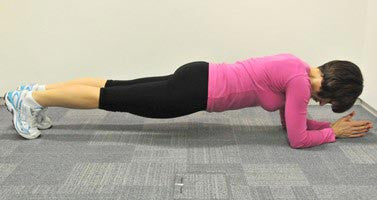
Modified plank
Begin on your forearms and knees. Gently tighten the abdomen and keep the head, shoulders, trunk and hips aligned.
Progress toward the toes only when the knee-supported version is comfortable.

Gentle prone extension
Lie face down with the forearms under the shoulders. Lift the chest slightly while keeping the hips relaxed on the floor.
Use a small range and avoid forcing the elbows straight or compressing the lower back.

Standing chest opener
Stand tall and place the fingertips lightly on the shoulders. Move the elbows outward and slightly backward without arching the lower back.

Seated thoracic rotation
Sit tall with the arms crossed over the chest. Rotate the upper body gently to one side while keeping the hips facing forward.
Return to center and repeat on the other side.

Gentle neck nod
Sit upright and gently nod the chin downward as though saying yes. Return to neutral without tipping the head far backward.
Keep the motion small and comfortable.
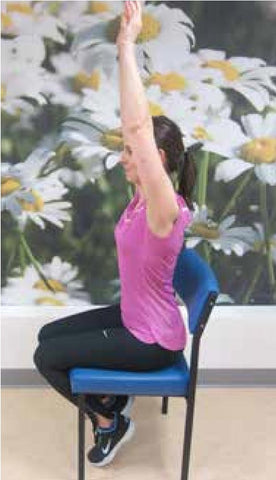
Seated overhead reach
Sit tall and raise both arms overhead as far as comfortable. Keep the ribs relaxed and avoid shrugging.
Lower the arms, then reach forward gently to stretch the upper back.
How to reduce upper back strain during the day
When should you seek medical care?
Arrange an evaluation if upper or middle back pain is severe, repeatedly returns, disrupts sleep or does not begin improving with appropriate self-care.
Seek prompt or urgent medical attention for:
- New or unexplained chest pain
- Shortness of breath, sweating, nausea or jaw pain
- Pain after a fall, collision or major injury
- Progressive weakness, numbness or difficulty walking
- Loss of bladder or bowel control
- Fever, chills or signs of infection
- Unexplained weight loss or a history of cancer
- Severe night pain that does not improve with position changes
Upper and middle back pain FAQ
What is the most common cause of upper back pain?
Muscle strain, prolonged sitting, repetitive activity and reduced thoracic mobility are common contributors. A clinician should assess persistent or unexplained pain.
Can poor posture cause middle back pain?
Prolonged slouching may contribute to fatigue and discomfort, but posture is only one factor. Activity level, strength, injury history and medical conditions may also matter.
Is walking helpful for upper back pain?
Gentle walking may reduce stiffness and break up long periods of sitting. Use a comfortable pace and stop if symptoms worsen.
Should I stretch through sharp pain?
No. Stretching should create mild tension rather than sharp, burning or spreading pain.
Can a posture brace help upper back pain?
A brace may provide temporary support or posture awareness during selected activities, but it does not correct every cause of pain and should not replace strengthening or medical care.
How long does upper back strain take to improve?
Mild strains may improve over days or weeks. Symptoms that persist, worsen or include numbness, weakness or breathing difficulty need further evaluation.
Key takeaways
Upper and middle back pain is often related to muscle strain, prolonged sitting or limited thoracic mobility. Regular movement, workstation adjustments and gradual strengthening may help improve comfort and function.
Avoid forcing deep spinal stretches or unsupported inversions. Use gentle, controlled exercises and seek medical assessment for persistent symptoms or warning signs such as chest pain, weakness, fever or major trauma.
Sources and further reading
- Mayo Clinic. Office ergonomics: Your how-to guide .
- Cleveland Clinic. Upper Back Pain .
- National Health Service. Back pain .
- American Academy of Orthopaedic Surgeons, OrthoInfo. Desk Exercises .
- American College of Radiology. Thoracic Back Pain .